


출처: ⓒ한국관광공사
About
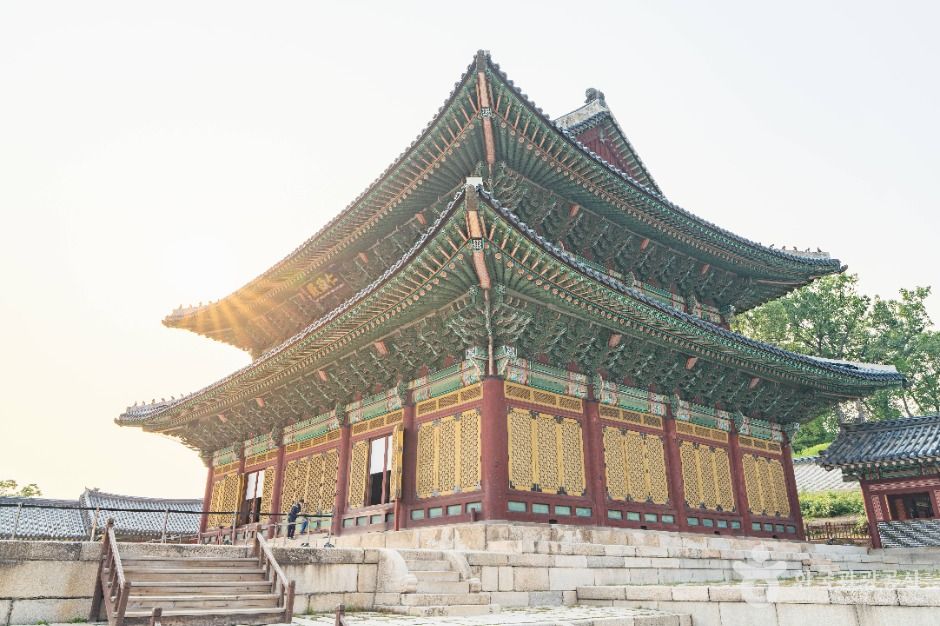
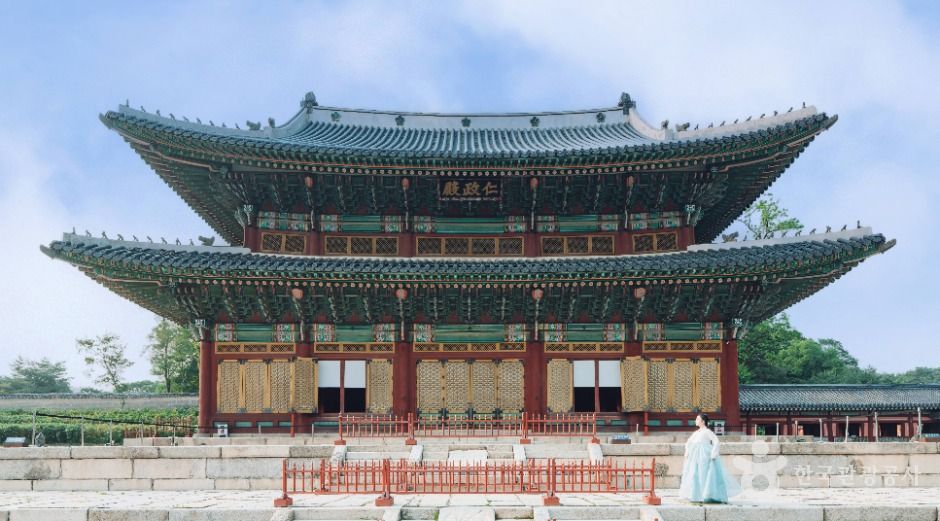
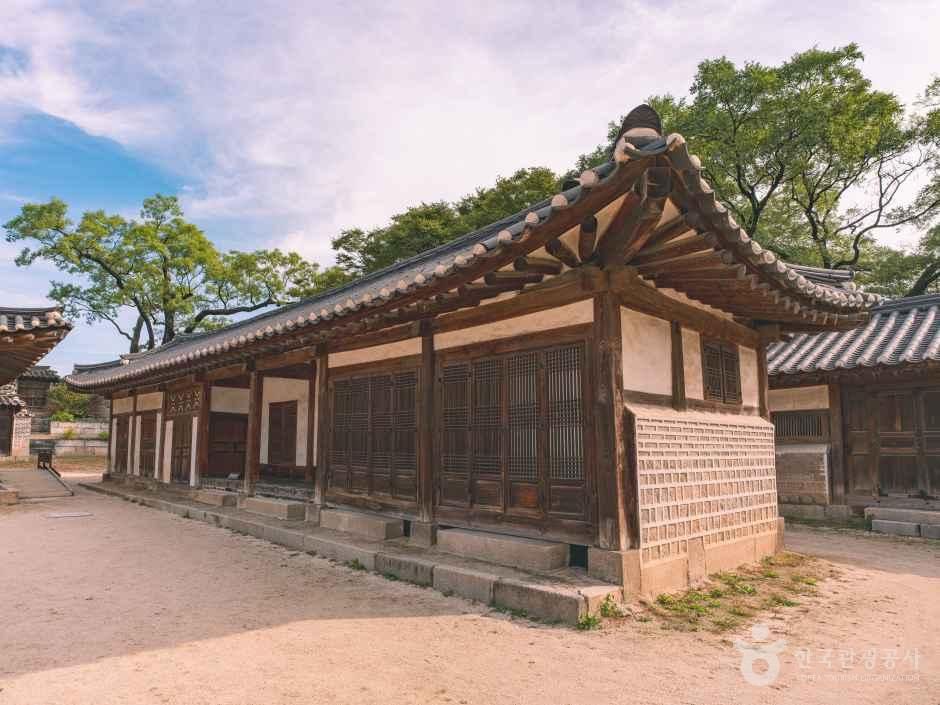
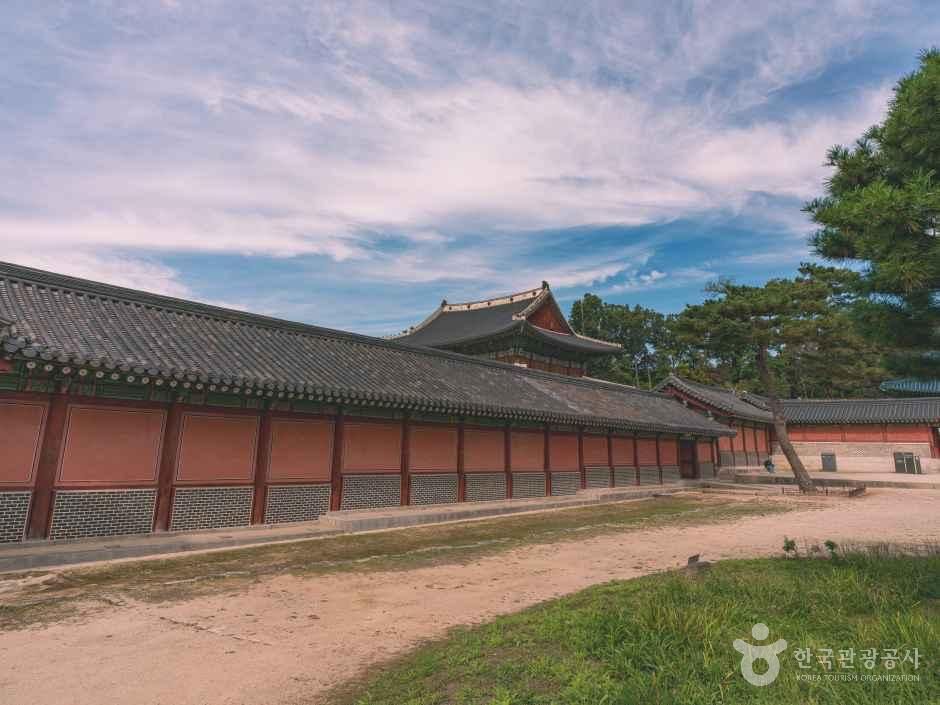
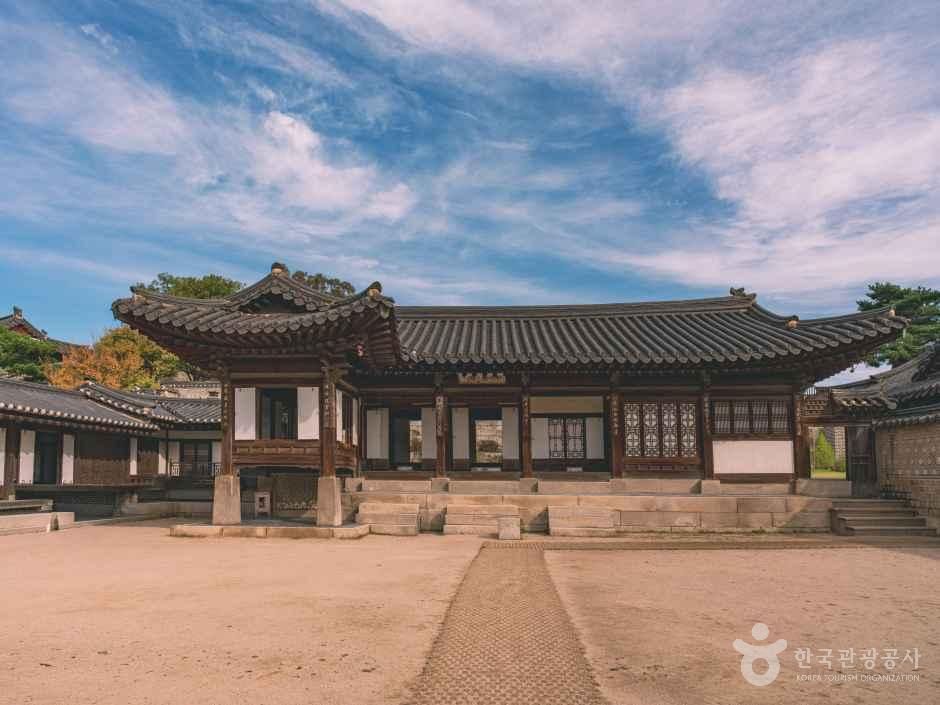
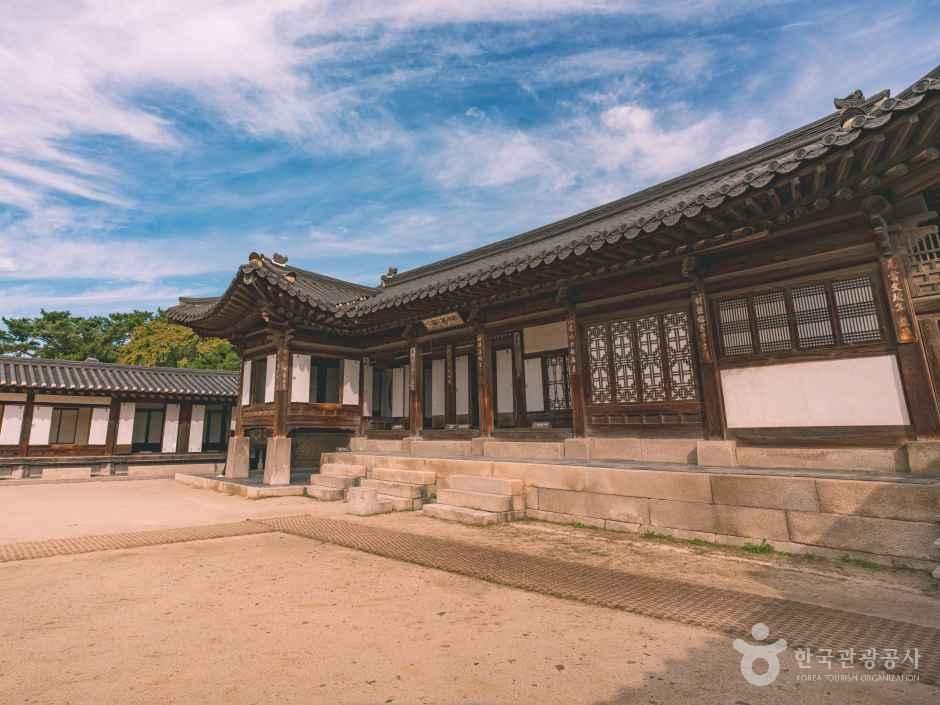
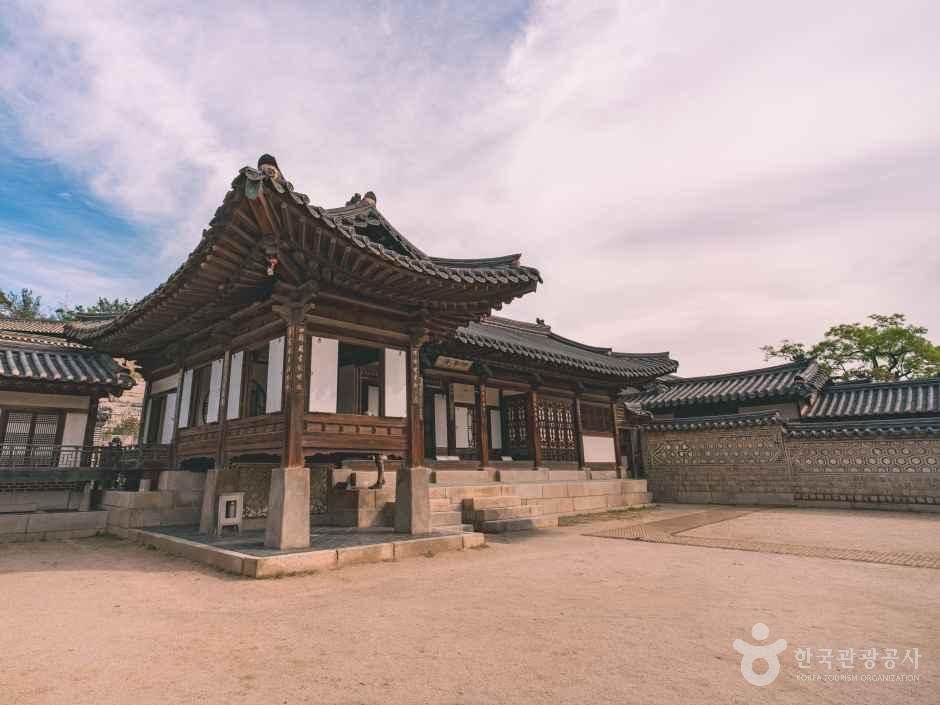
Changdeokgung Palace was built in 1405 (5th year of King Taejong's reign) as a secondary palace to Gyeongbokgung Palace, the main royal palace. It was destroyed during the Japanese invasions of Korea in 1592 (25th year of King Seonjo's reign) and was the first palace to be rebuilt in 1610 (2nd year of King Gwanghaegun's reign). Subsequently, successive kings used Changdeokgung Palace more for about 270 years until Gyeongbokgung Palace was reconstructed in 1867, making it the de facto main royal palace. In particular, Heungbokheon Hall, an annex of Daejojeon Hall, was the unfortunate place where the Japan–Korea Annexation Treaty was decided in 1910. The Nakseonjae area is also where the last imperial family members of the Korean Empire after liberation—Empress Sunjeong (King Sunjong's second empress), Crown Princess Euimin (Lady Yi Bangja), and Princess Deokhye (King Gojong's daughter)—lived until their passing. Changdeokgung Palace and Changgyeonggung Palace were collectively known as 'Donggwol' (Eastern Palace) without a clear boundary between them. Changdeokgung Palace is highly regarded as the most Korean palace because it was built in harmony with the surrounding topography rather than adhering to artificial structures, unlike other palaces. It was designated a UNESCO World Heritage site in 1997. Changdeokgung Palace's Huwon (Secret Garden) was first created north of Changdeokgung Palace in 1406 (6th year of King Taejong's reign), expanded during King Sejo's reign, and its area extended to Changgyeonggung Palace, which was built during King Seongjong's reign. Most of the Huwon area was destroyed during the Japanese invasions of Korea and was re-established in 1610 (2nd year of King Gwanghaegun's reign). It subsequently underwent renovations and expansions by various kings, including Injo, Sukjong, Jeongjo, and Sunjo, to reach its current form. Changdeokgung Palace's Huwon preserved the natural terrain, with beautiful pavilions built in each valley. Four valleys feature the Buyongji Pond, Aeryeonji Pond, Gwanramji Pond, and Ongnyucheon Stream areas. Although primarily a place for royal family relaxation and strolls, it was also used for various other purposes. These included composing poetry and discussing academics while enjoying the natural scenery, archery events for military training, fishing or boating in the ponds, flower viewing, and fireworks displays using gunpowder. Banquets hosted by the king were also frequently held, such as feasts for the Queen Dowager or banquets to comfort royal relatives and officials. Furthermore, the king personally experienced farming by planting crops here, and the queen held the Chinjamnye ceremony, personally engaging in sericulture.
Changdeokgung Palace and Huwon [UNESCO World Heritage]
Hours
[Feb-May] 09:00-18:00 (Last admission 17:00)[Jun-Aug] 09:00-18:30 (Last admission 17:30)[Sep-Oct] 09:00-18:00 (Last admission 17:00)[Nov-Jan] 09:00-17:30 (Last admission 16:30)
Closed
Every Monday (If Monday is a public holiday, it remains open and closes on the first weekday thereafter)
Parking
Not possible
Phone
02-3668-2300
출처: ⓒ한국관광공사 · Details may change.
Visit with a recreetrip
recreeshots from this place
Create a recreeshotShare your own moment from this place.
Comments
Be the first to comment